

QuickLaunch pushes higher ed to harden digital identity and access
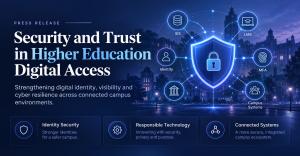
QuickLaunch is spotlighting cybersecurity, transparency and identity management as colleges and universities expand digital services and face growing risks around login systems. The company says higher education institutions should tighten authentication, monitor access and demand clearer vendor security practices.
Why it matters: - Colleges and universities rely on connected systems for students, faculty, staff and administrators. - Weak identity controls can expose sensitive information and disrupt core campus operations. - Higher education technology buyers are being pushed to weigh security, incident response and vendor transparency alongside convenience.
What happened: - QuickLaunch, an identity and integration platform for higher education, issued a statement emphasizing security, transparency and trusted digital access for colleges and universities. - The Miami-based company highlighted cybersecurity, identity management and responsible technology practices as institutions expand digital services. - QuickLaunch said the platform is designed for higher education and serves the market with identity and integration capabilities.
The details: - Campus digital environments include student information systems, learning management platforms, single sign-on and multifactor authentication. - Recent cybersecurity reporting has pointed to attacks targeting university login environments and identity management systems. - The company said institutions should evaluate security controls, review authentication processes, monitor unusual activity and protect sensitive information. - Recommended practices include multifactor authentication, secure account recovery, timely software updates, appropriate access permissions, account lifecycle management and regular security assessments. - Institutions should also set clear incident response procedures and communication protocols. - QuickLaunch said its platform supports single sign-on, multifactor authentication, identity lifecycle management and integrations between campus systems. - The company said those capabilities depend on proper configuration, ongoing maintenance, institutional policies and security practices tailored to each environment. - QuickLaunch urged universities to assess how providers communicate about security, support vulnerability management, handle incident reporting and provide visibility into access across connected systems. - The company said trust in higher education technology requires clear information about security controls, documented vulnerability processes and timely communication when risks arise. - QuickLaunch said technology providers and educational institutions share responsibility for protecting digital environments. - The company pointed to regular access reviews, secure authentication and account recovery, vulnerability management and coordinated incident response as key safeguards. - QuickLaunch said institutions modernizing campus services should assess vendor security practices, review identity configurations, maintain current software and define incident response responsibilities. - For more information, visit the company's announcement.
Between the lines: - The statement reads like a market-positioning push as much as a security reminder. - QuickLaunch is framing identity management as a trust issue, not just a technical one. - The emphasis on transparency suggests higher ed buyers are becoming more skeptical of security claims without documented processes.
What's next: - Higher education leaders are likely to keep reviewing vendor security posture before expanding digital access projects. - Identity and access management will remain a central part of campus cybersecurity planning as institutions add more connected systems. - QuickLaunch is positioning its platform as part of that shift toward tighter access control and clearer operational accountability.
Disclaimer: This article was produced by AGP Wire with the assistance of artificial intelligence based on original source content and has been refined to improve clarity, structure, and readability. This content is provided on an “as is” basis. While care has been taken in its preparation, it may contain inaccuracies or omissions, and readers should consult the original source and independently verify key information where appropriate. This content is for informational purposes only and does not constitute legal, financial, investment, or other professional advice.
Sign up for:
Students, Teachers, & Professors
The daily local news briefing you can trust. Every day. Subscribe now.
Check Your Email!
We sent a one-time activation link to: .
Confirm it's you by clicking the email link.
If the email is not in your inbox, check spam or try again.
Welcome back!
is already signed up. Check your inbox for updates.